Live from Taipei, freshly arrived and boots on the ground to cover Computex 2026. The atmosphere in the city is absolutely electric! We are standing on the precipice of one of the biggest announcements—and potentially the biggest upset—in desktop and laptop computing since Cyrix went extinct in the late 90s. For the first time in decades, the Windows PC market is about to turn into a brutal three-way heavyweight title fight.
Would not that be great… a CPU three way! Well not exactly.
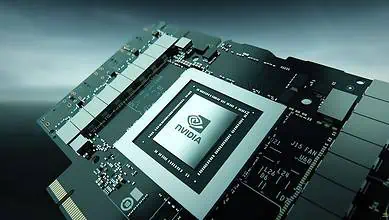
NVIDIA isn’tactually releasing an x86/x64 CPU. Instead, it is are bringing a massive, custom Arm-based SoC to the Windows ecosystem, aiming to brute-force x86 emulation and go toe-to-toe with Intel and AMD on their home turf.
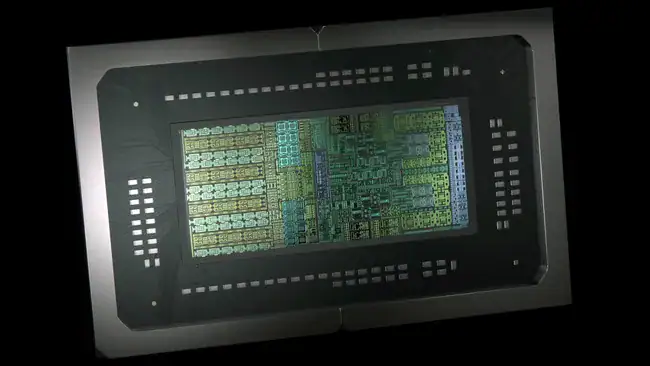
Tomorrow night, Jensen Huang will take the stage at the Taipei Music Center, and we are expecting the official unveiling of the long-rumored N1 and N1X silicon platforms.
Coordinated social media teasers from NVIDIA and Microsoft declaring a “new era of PC” confirm this isn’t merely a developer kit; it is a full-blown invasion of the consumer and professional Windows market.
The evidence is already spilling out into the wild. A leaker today shared Dell’s Computex media link containing embargoed information.
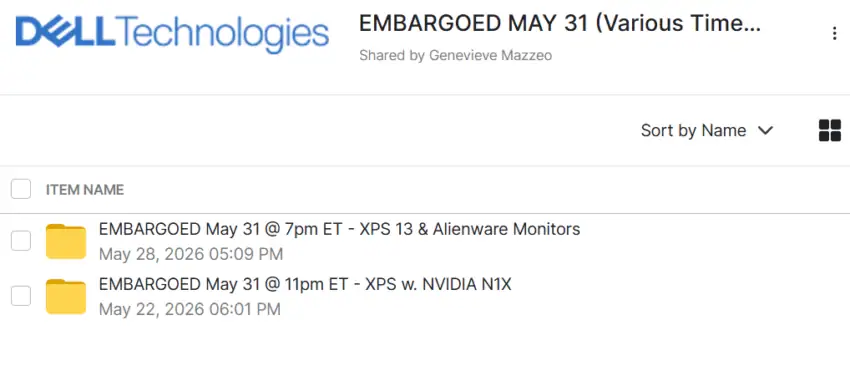
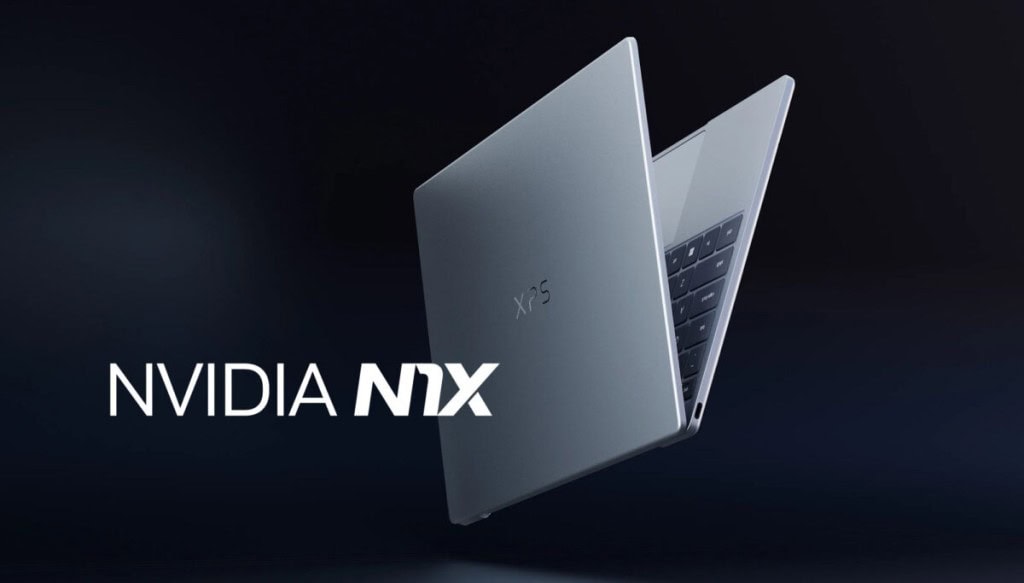
One of the entries refers to a new XPS laptop powered by NVIDIA’s new chip. This lines up with what we have been reporting for some time: NVIDIA appears to be preparing its N1 series for Computex. We have seen the XPS line act as the tip of the spear for major architectural shifts in the past, and putting a brand-new SoC architecture inside their flagship premium chassis tells you exactly how much confidence Dell has in NVIDIA’s execution. (Source: VideoCardz.com)
Here is a breakdown of the beastly hardware specifications we are expecting them to drop tomorrow:
NVIDIA N1X Anticipated Specifications
| Specification | Rumored Architecture Details |
| Lithography | TSMC 3nm Node |
| CPU Cores | 20-Core Arm v9.2 (Custom design split for P-Cores and E-Cores) |
| Cache Memory | 32MB Shared Cache |
| Integrated Graphics | Blackwell Architecture (Up to 48 SMs / 6,144 CUDA cores) |
| Memory Support | Up to 128GB LPDDR5X (Unified Memory Architecture at native mobile speeds) |
| PCIe Lanes | PCIe 5.0 (Allocation optimized for premium mobile form factors) |
| Wattage | Variable SoC power envelope (Estimated 45W – 120W+ range) |
The specifications reveal exactly what NVIDIA is targeting. By pairing a 20-core Arm CPU—developed in conjunction with MediaTek—with a Blackwell-class integrated GPU that reportedly rivals a discrete RTX 5060 Ti or 5070, they are completely redefining the concept of integrated graphics. The unified LPDDR5X memory architecture means both the GPU and the neural processor have massive, high-bandwidth pools to draw from. If you spend your days scrubbing heavy video timelines or rendering complex technical diagrams, the idea of an NVIDIA-powered Windows machine with up to 128GB of unified memory is a complete paradigm shift.
Intel and AMD have enjoyed a comfortable duopoly in the Windows space for a generation, but tomorrow’s announcement is going to rewrite the rules. Get ready, because the PC hardware landscape is about to change forever.