
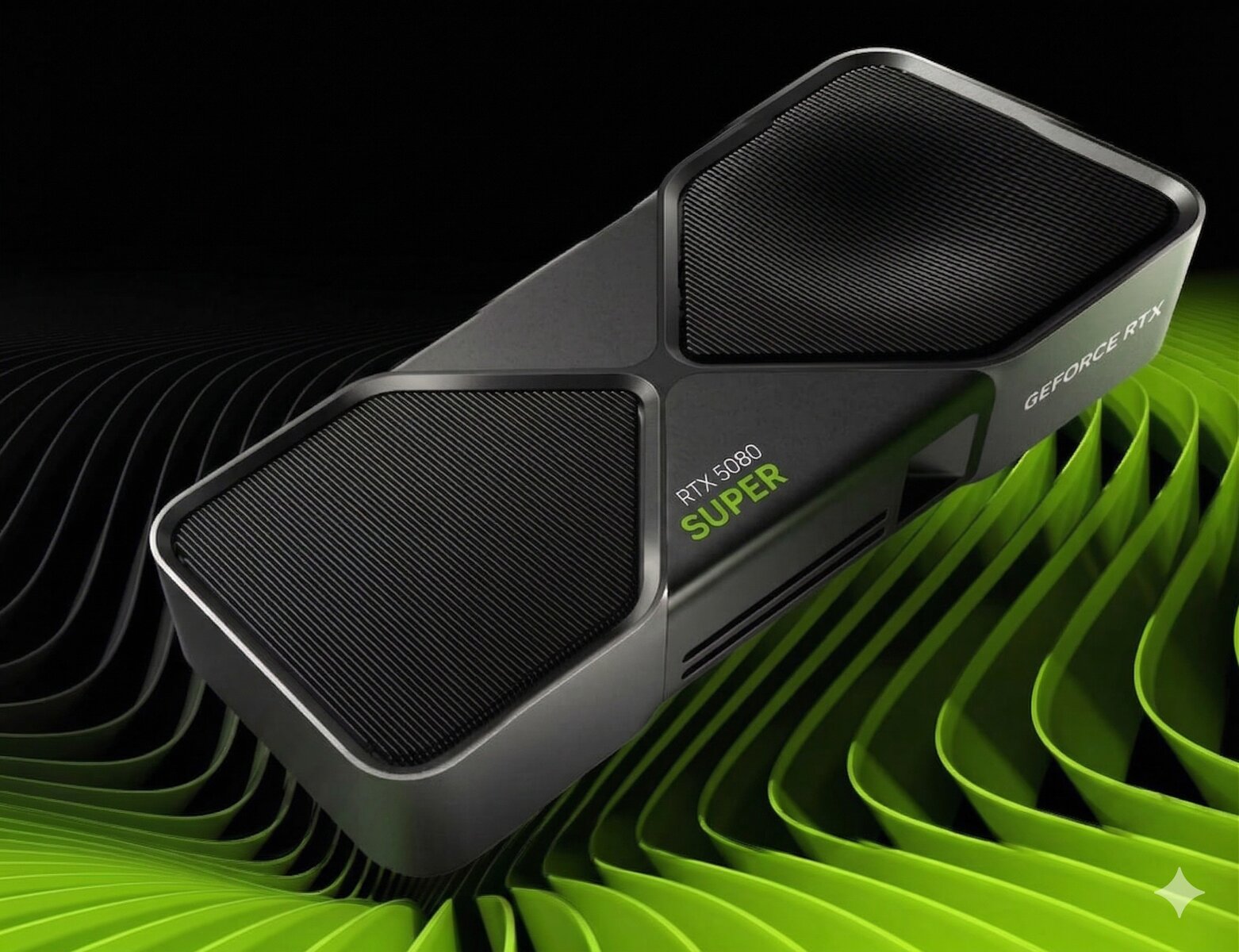
It is Sunday, April 12, 2026, and the headline dominating every tech forum and news outlet is the sudden, indefinite delay of NVIDIA’s highly anticipated mid-cycle hardware update. What was supposed to be a triumphant victory lap for the Blackwell architecture with the “SUPER” lineup has instead been quietly shelved, a casualty of the global high-density GDDR7 memory crisis. With AI data centers cannibalizing the supply of these crucial modules, the consumer refresh has transitioned from heavily rumored spec sheets to outright vaporware, leaving gamers with the base RTX 50 series until the next generation arrives.
Below is the definitive guide to the 2026 GPU landscape, reflecting the current, finalized hardware available to consumers and the reality of the stalled market.
The Blackwell Reality: Why the Refresh Failed
The move to the TSMC 4NP node allowed NVIDIA to cram significantly more logic into the Blackwell generation, but the real story of 2026 is memory. The planned “SUPER” series was entirely reliant on the mass production of new 3GB GDDR7 modules to increase VRAM capacity across the board (such as bumping the 5080 to 24GB). Because these high-density modules are in critically short supply and overwhelmingly prioritized for highly lucrative enterprise AI hardware, the consumer refresh was completely starved of components and ultimately canceled.
High-End Comparison: The 80 and 90 Series
With the SUPER series off the table, the flagship tier remains strictly divided between the halo-tier 5090 and the high-end 5080, maintaining the significant gap in both price and specification that was established in early 2025.
| Spec | RTX 5090 | RTX 5080 |
| Die Name | GB202 | GB203 |
| Process | TSMC 4NP | TSMC 4NP |
| CUDA Cores | 21,760 | 10,752 |
| VRAM | 32GB GDDR7 | 16GB GDDR7 |
| Bus Width | 512-bit | 256-bit |
| Launch Date | Jan 2025 | Jan 30, 2025 |
| MSRP (USD) | $1,999 | $999 |
Mid-Range Reality: The 70 Series
The 70-series has historically been the “sweet spot” for gamers. Without the canceled 18GB RTX 5070 Super to bridge the gap, the base 5070 remains the sole current-generation option for the mid-range market, holding the line at its original competitive price point.
| Spec | RTX 5070 |
| Die Name | GB205 |
| Process | TSMC 4NP |
| CUDA Cores | 6,144 |
| VRAM | 12GB GDDR7 |
| Bus Width | 192-bit |
| Launch Date | March 5, 2025 |
| MSRP (USD) | $549 |
Performance and Value Analysis
The “Performance Index” below measures relative power in 4K Path-Traced workloads, using the RTX 5070 as the baseline. Without the refresh cards to fill the performance gaps, the tiering remains stark.
| Card | Performance Index | Price-to-Performance |
| RTX 5070 | 100% | Excellent ($549) |
| RTX 5080 | ~165% | Moderate ($999) |
| RTX 5090 | ~240% | Ultra-Luxury ($1,999) |
Technical Takeaways
-
The VRAM Bottleneck Persists: By failing to secure enough 3GB density GDDR7 modules for the consumer market, the “12GB bottleneck” remains a reality for the mid-range 5070. AI researchers and creative professionals looking for high VRAM are still forced into the much more expensive 5090 or older Ada Generation cards.
-
Pricing Held Steady: Unlike the rumors of a price creep for the SUPER series, the base models have maintained their MSRPs. The 5070, matching the older 4070’s $549 launch price, remains one of the few strong values in the lineup.
-
A Stagnant 2026: The cancellation of the mid-cycle refresh means 2026 is a holding pattern for the consumer GPU market. NVIDIA’s architectural dominance is secure, but their manufacturing priorities have clearly shifted away from gamers and squarely toward the data center.